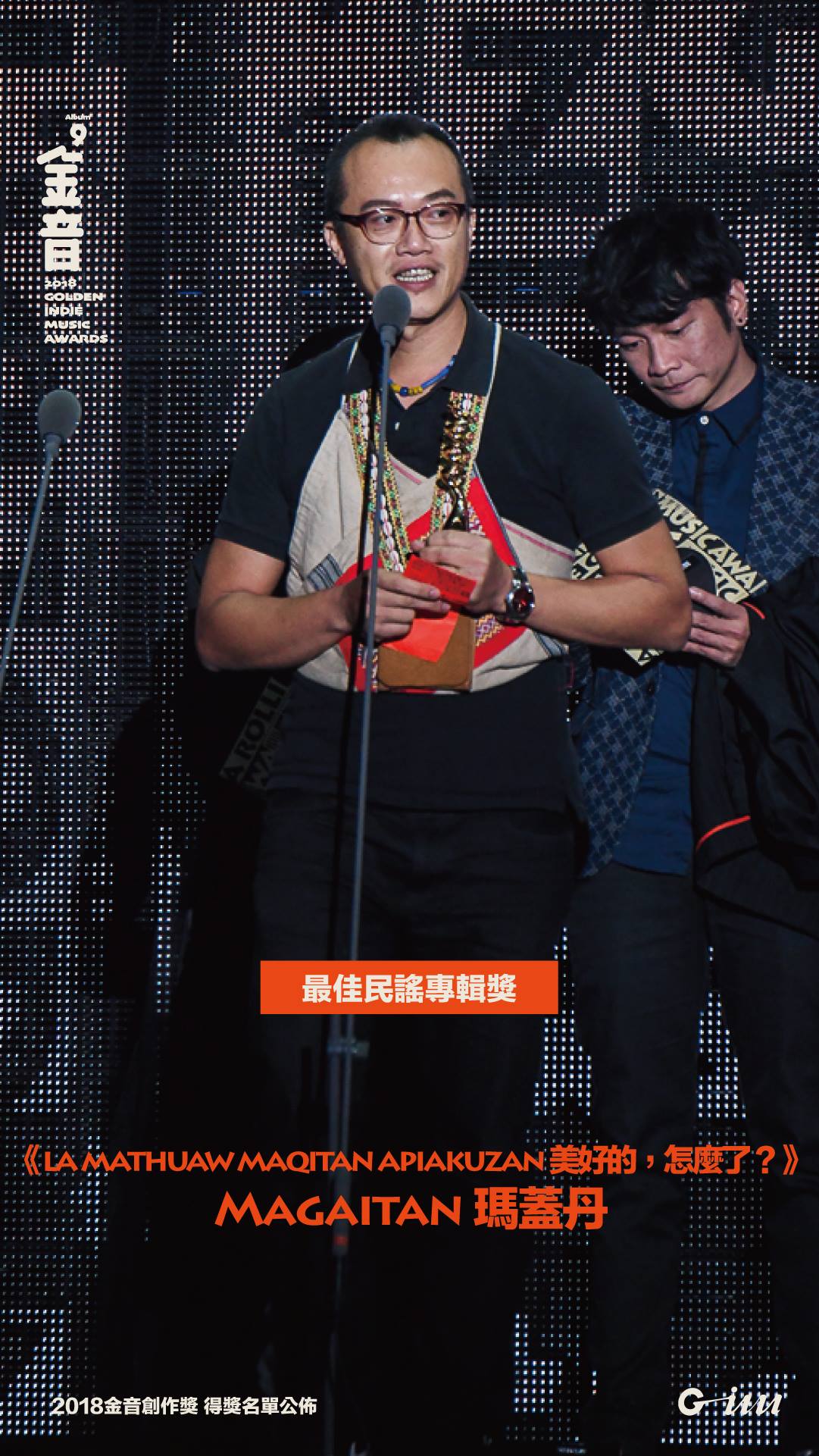
瑪蓋丹 MAGAITAN
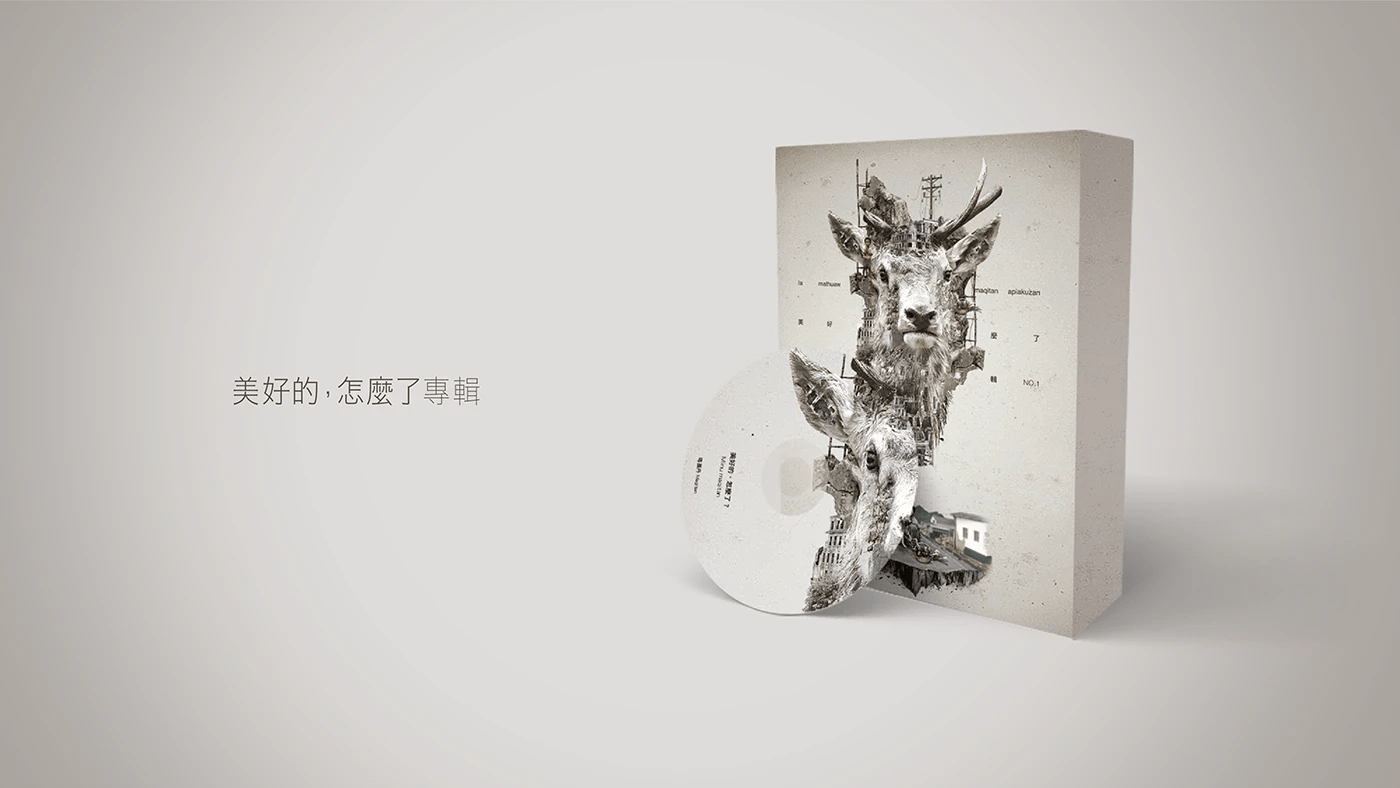
瑪蓋丹(Magaitan),名字意為「美好」,是一位來自日月潭(Zintun)、出身邵族頭人家族的創作人。2009 年,聯合國教科文組織將邵語列為「極度瀕危」語言。身為肩負文化傳承使命的族人,瑪蓋丹堅持用母語創作超過三十年。這張專輯是台灣首張全邵語現代創作專輯,不僅是個人的音樂抒發,更是對族群存續的堅毅宣示。
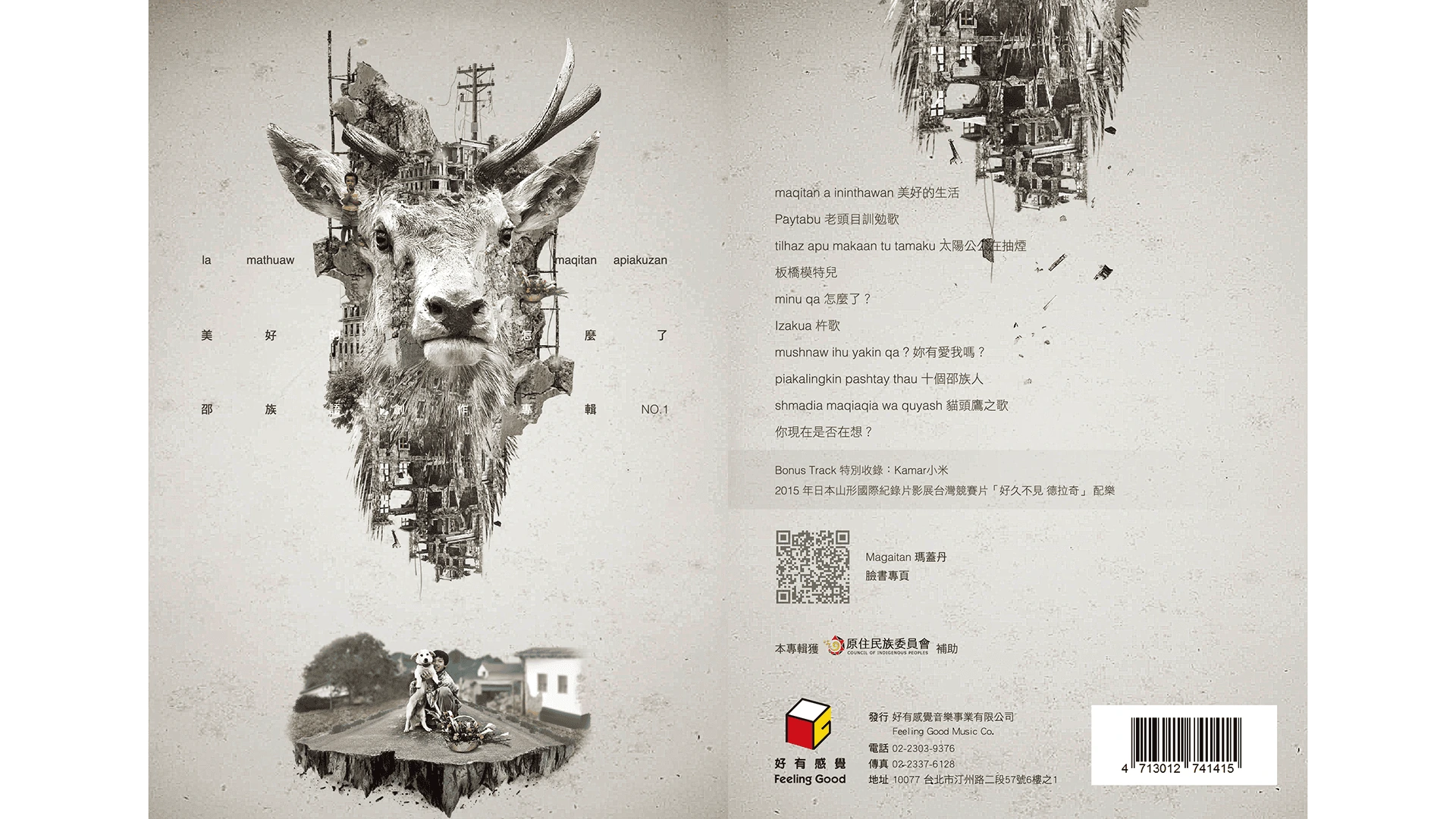
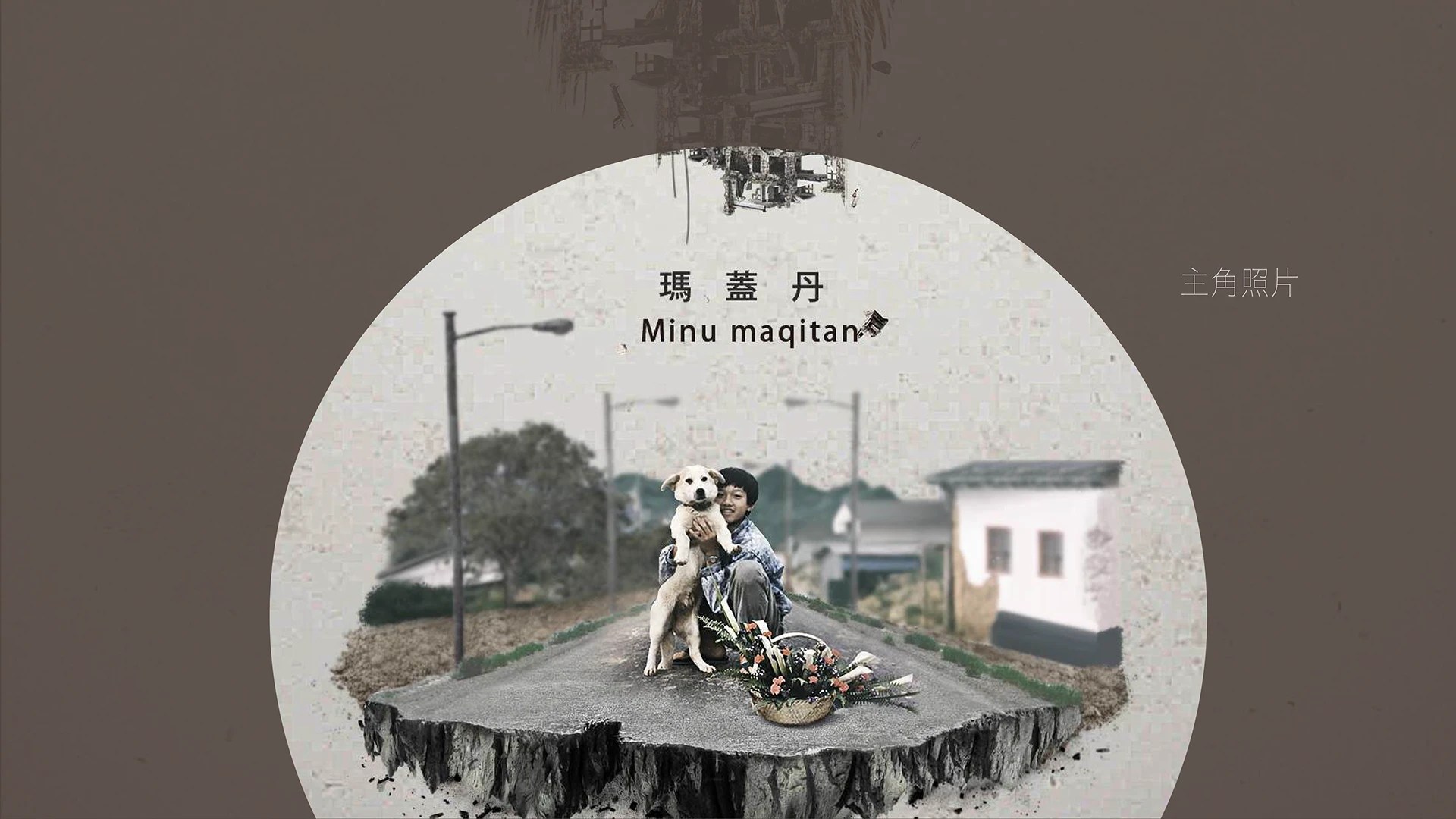
視覺敘事的核心建立在「神話」與「現代文明」的交匯點。在邵族傳說中,祖先是跟隨白鹿的足跡才發現了日月潭;然而在 1989 年,部落裡出現的第一條柏油路,成為命運的轉折點。這條路雖然象徵了現代化的「進步」,卻也封住了族人的生存之路,導致家園縮減、傳統日漸消逝。
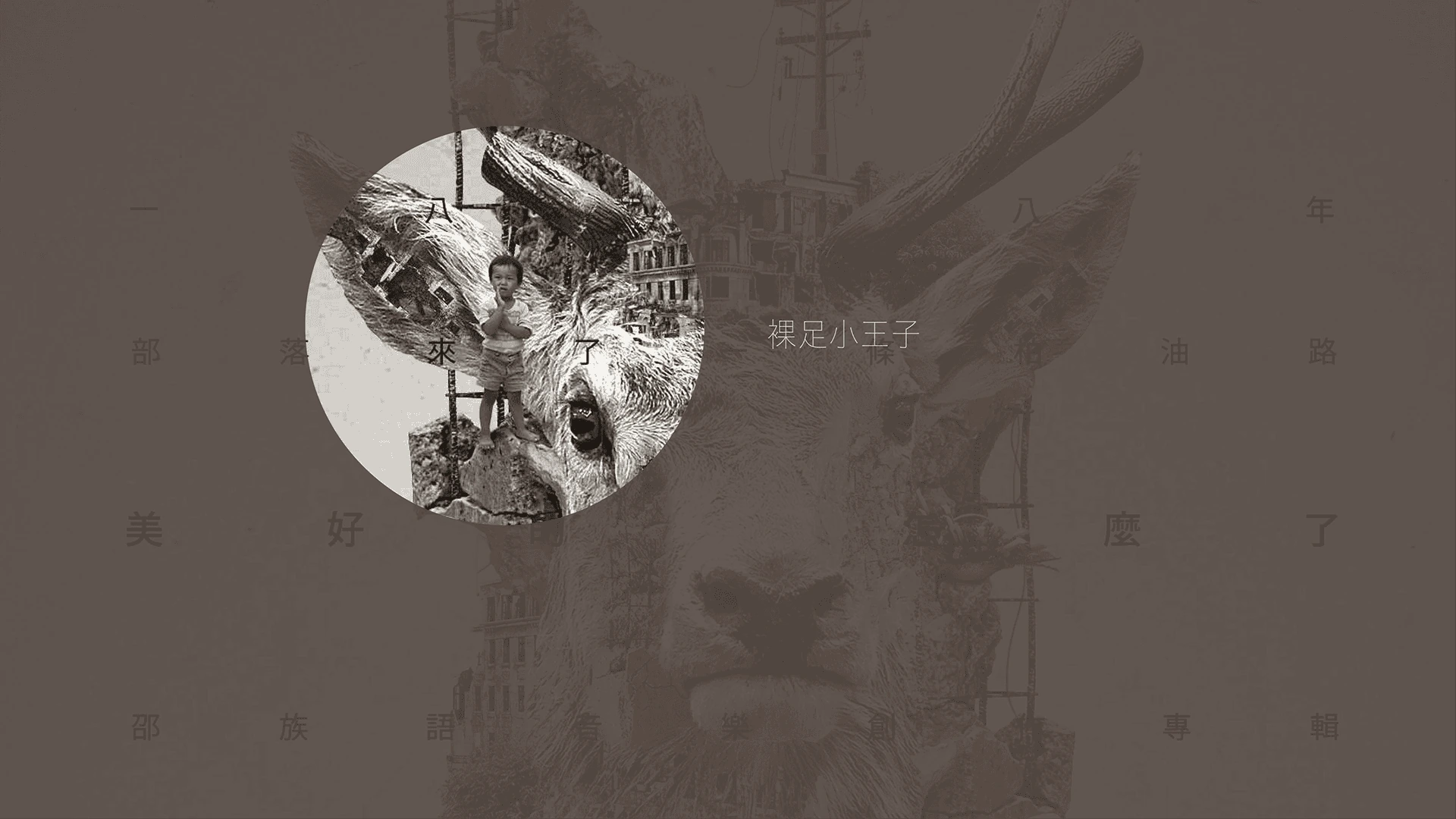
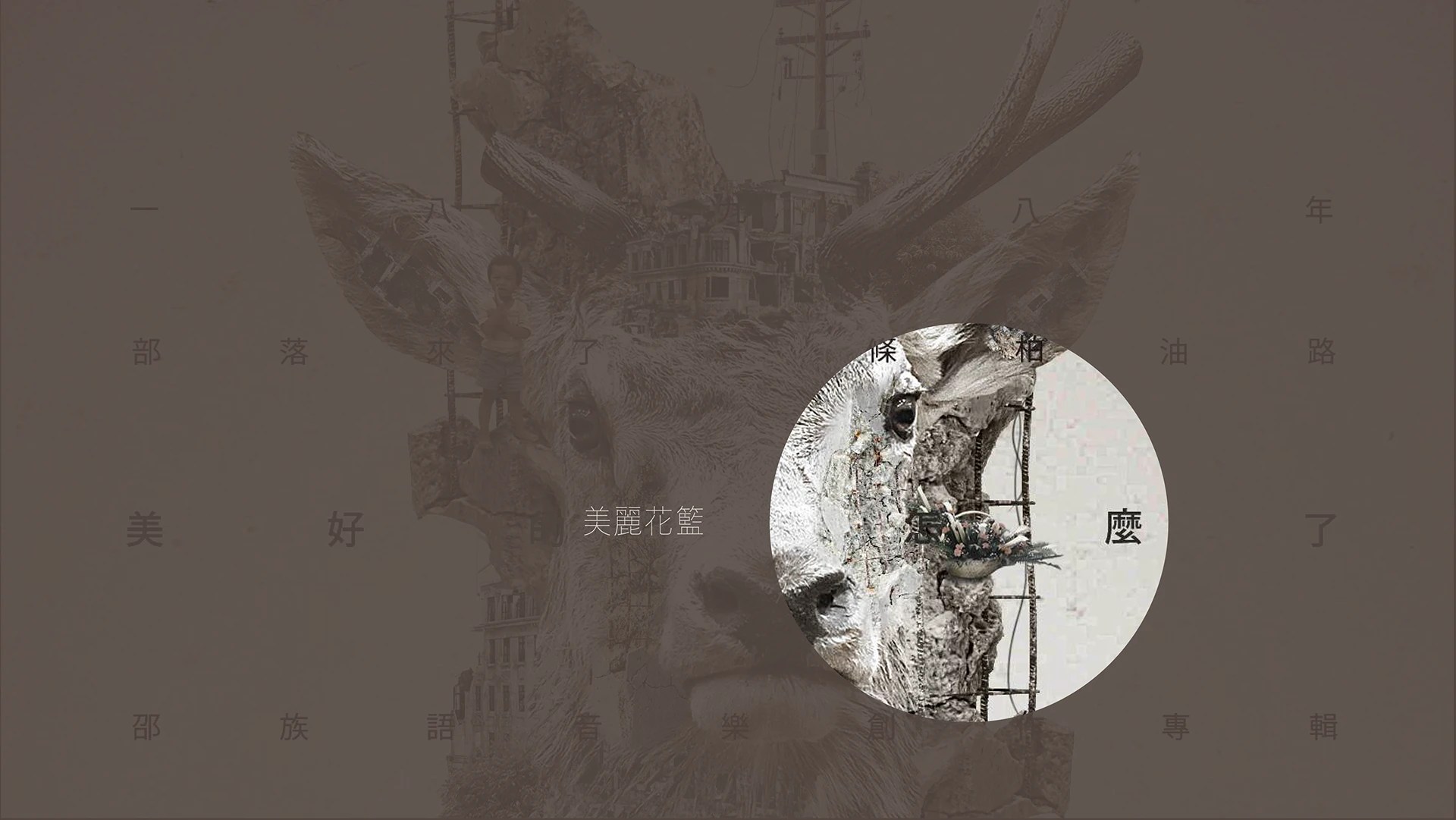
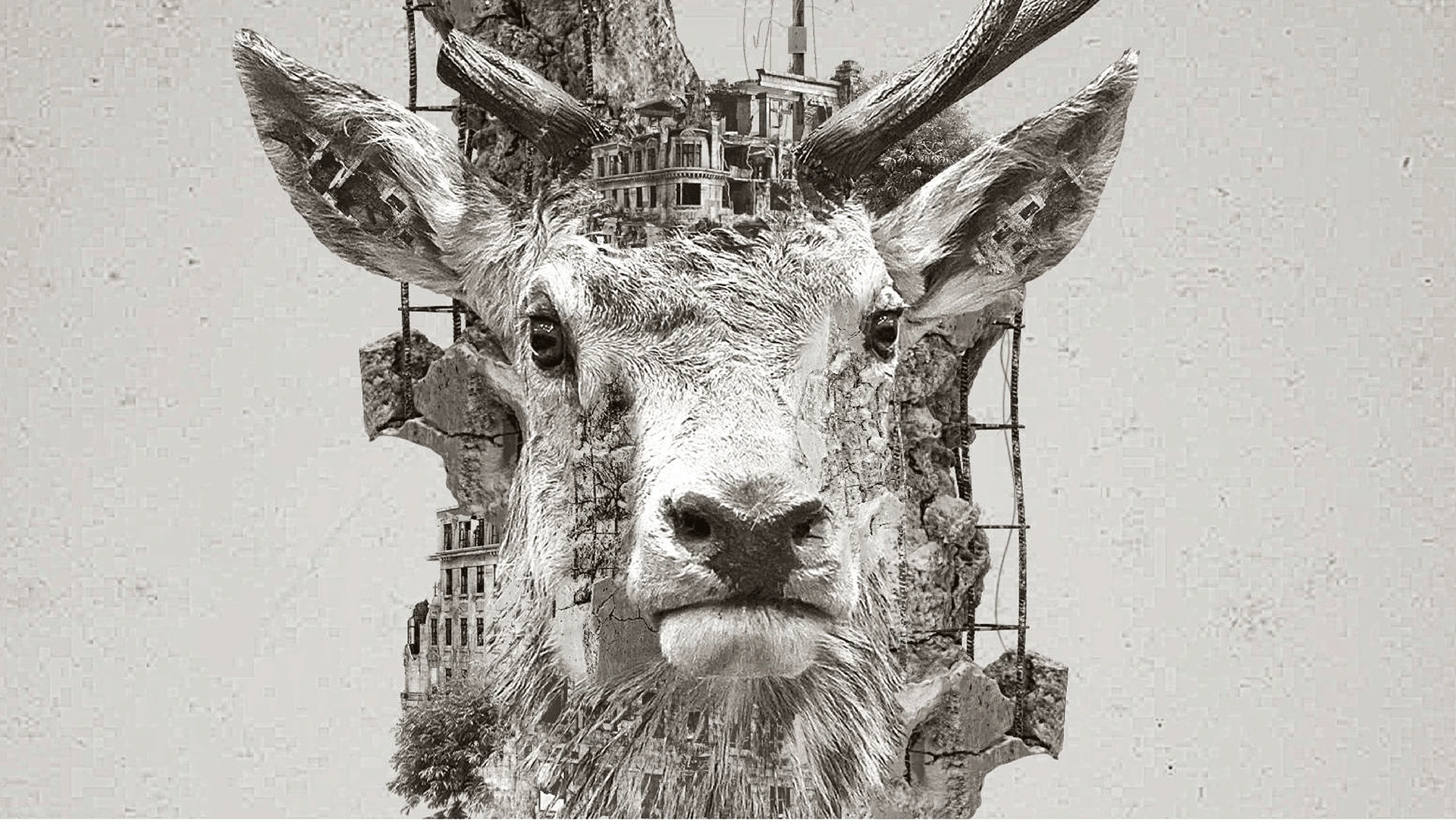
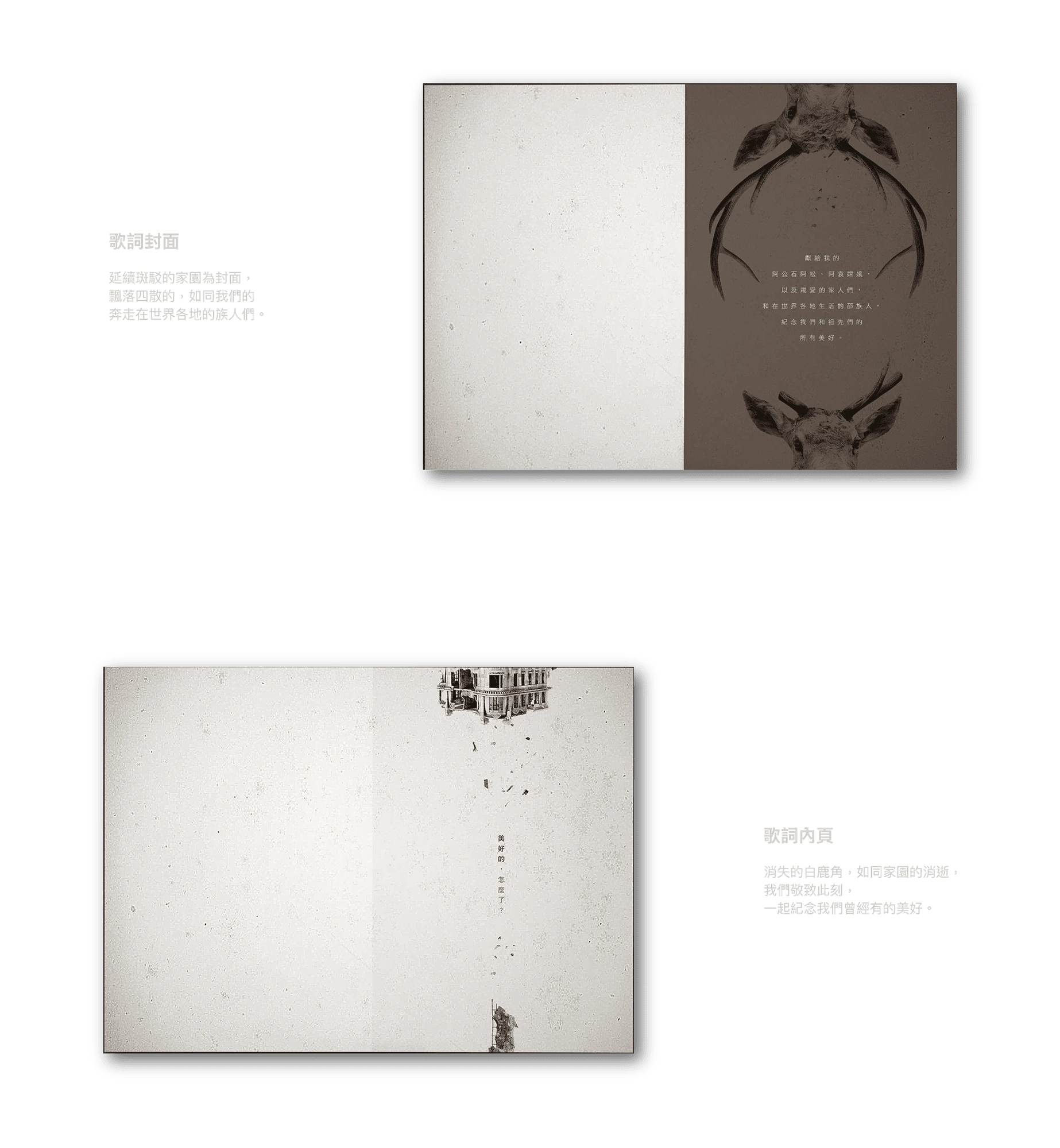
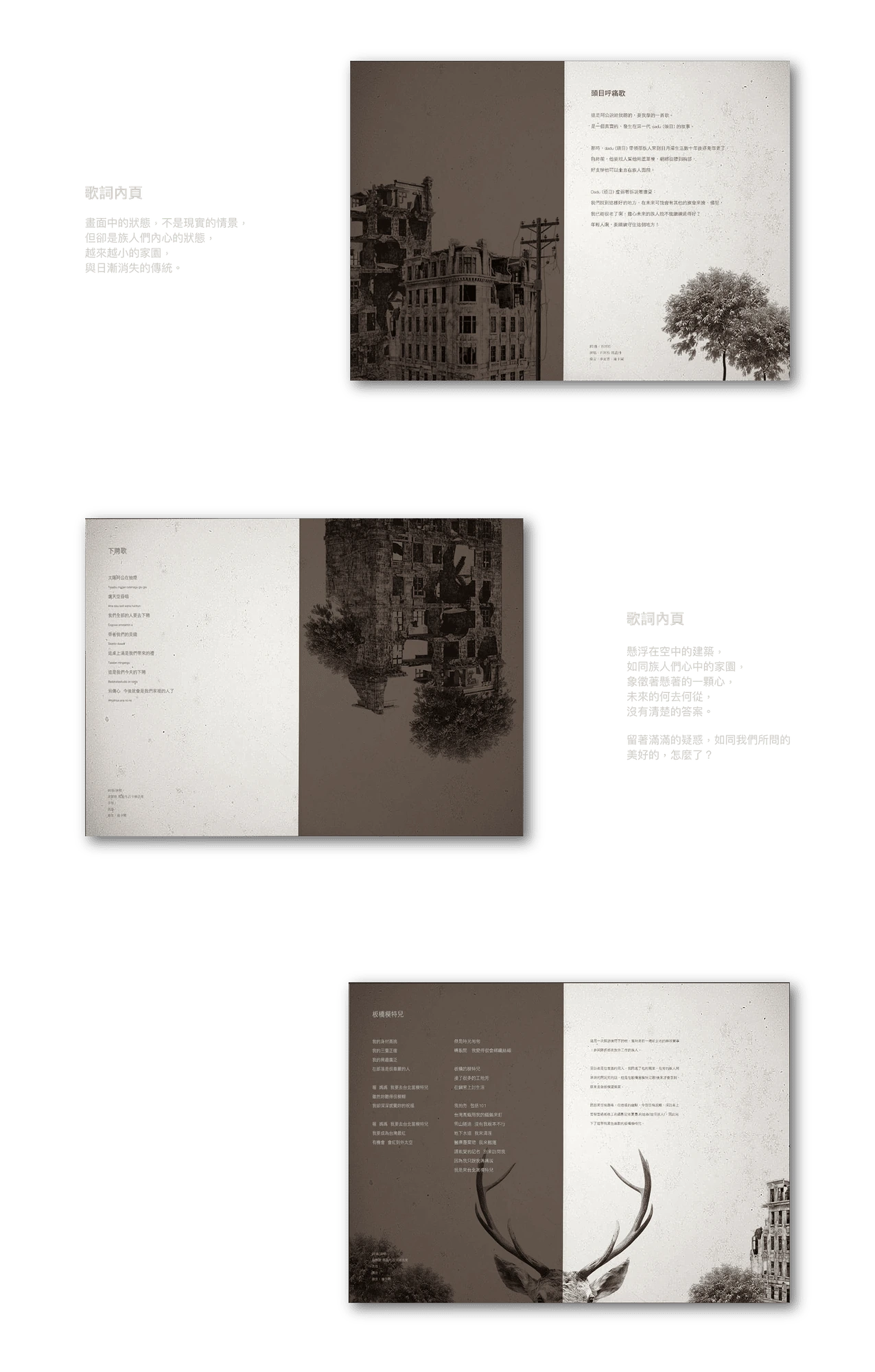
在這次設計裡,我把神聖的白鹿與冰冷堅硬的柏油路、崩壞的家園意象並置。這種視覺上的強烈對比,精準呼應了專輯名稱:「美好的,怎麼了?」這不僅是對過往平靜時光的悼念,更是一次守護土地與文化的強力宣示。
瑪蓋丹 Magaitan | la mathuaw maqitan apiakuzan (What Happened to the Beauty?)
Magaitan, a name signifying "Beauty," is a Thao singer-songwriter from Zintun (Sun Moon Lake) with a lineage tied to the tribe's ancestral leadership. In 2009, UNESCO classified the Thao language as "Critically Endangered." Bearing the weight of cultural heritage, Magaitan has dedicated over thirty years to composing in his mother tongue. This album marks Taiwan's first contemporary music production entirely in the Thao language—not merely a personal artistic expression, but a resilient manifesto for the survival of his people.
The core of the visual narrative lies at the intersection of mythology and modern civilization. According to Thao legend, their ancestors discovered Sun Moon Lake by following the tracks of a sacred White Deer. However, the arrival of the first asphalt road in 1989 became a fateful turning point. While symbolizing "progress," this road essentially sealed the tribe's paths of survival, leading to a shrinking homeland and fading traditions.
In this design, I juxtaposed the sacred White Deer with the cold, rigid texture of asphalt and imagery of a crumbling home. This stark visual contrast precisely echoes the album's title: "What Happened to the Beauty?" It serves as both a lament for a tranquil past and a powerful declaration to protect their land and culture.
| Project | Album Art Direction & Visual Identity |
| Art Director | Wei-Xun Weng |
| Image Compositor | Jen-Chun Wang |
| Logotype Designer | Wan-Ching Kao |
| Copywriter | Yu-Ching Cheng |
| Client | Magaitan |
| Publisher | Feeling Good Music Co., Ltd. |
| Special Thanks | Indigenous Peoples Cultural Foundation (IPCF) |
| Year | 2018 |